
 Other Names:
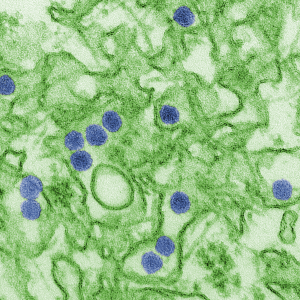
Zika virus infection is spread to people primarily through the bite of an infected mosquito. Zika virus can also be spread from a pregnant mother to her child and through sexual contact with an affected partner. Cases of Zika virus transmission via blood transfusion have also been reported. Zika virus outbreaks are currently occurring in many countries. The illness associated with Zika virus infection is usually mild, with symptoms lasting for several days to a week. The most common symptoms of Zika are fever, rash, joint pain, and conjunctivitis (red eyes) However, research has suggested an association between Zika virus infection and Guillain-Barre syndrome (GBS) in a small percentage of cases.
Zika virus infection during pregnancy can cause adverse pregnancy outcomes, including microcephaly and other serious brain defects. The full range of health problems associated with Zika virus infection during pregnancy is currently being studied. No vaccine currently exists to prevent Zika virus infection, but there are still ways to protect oneself. The CDC recommends that pregnant women consider postponing travel to Zika-affected areas. People living in or traveling to areas where Zika virus is found should take steps to prevent mosquito bites. Those who have traveled to Zika-affected areas may wish to take steps to prevent sexual transmission of the Zika virus.
- Zika is spread mostly by the bite of an infected Aedes species mosquito (Ae. aegypti and Ae. albopictus). These mosquitoes bite during the day and night.
- Zika can be passed from a pregnant woman to her fetus. Infection during pregnancy can cause certain birth defects.
- There is no vaccine or medicine for Zika.
- Local mosquito-borne Zika virus transmission has been reported in the continental United States.:
Zika can be transmitted:
- Through mosquito bites
- From a pregnant woman to her fetus
- Through sex
- Through blood transfusion (very likely but not confirmed)
Zika symptoms
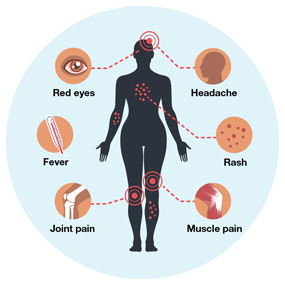
Many people infected with Zika virus won’t have symptoms or will only have mild symptoms. The most common symptoms of Zika are
- Fever
- Rash
- Headache
- Joint pain
- Red eyes
- Muscle pain
Symptoms can last for several days to a week. People usually don’t get sick enough to go to the hospital, and they very rarely die of Zika. Once a person has been infected with Zika, they are likely to be protected from future infections.
Why Zika is risky for some people
Zika infection during pregnancy can cause a birth defect of the brain called microcephaly and other severe brain defects. It is also linked to other problems, such as miscarriage, stillbirth, and other birth defects. There have also been increased reports of Guillain-Barré syndrome, an uncommon sickness of the nervous system, in areas affected by Zika.