
Autoimmune and Auto-inflammatory Disorders
Disease overviews, clinically relevant perspectives, and news about important research in rare autoimmune and auto-inflammatory disorders.
Highlights from The Liver Meeting 2026 | The CheckRare Brief
Myasthenia Gravis
Phase 3 OASIS Study Shows Promise of Oral Olorofim for Invasive Aspergillosis
C3G and the Pediatric VALIANT Study
3D Printed Treatment Options | The CheckRare Brief
Generalized Myasthenia Gravis: AANEM 2026 Highlights
Miv-cel Shows Durable Results in Stiff Person Syndrome and Myasthenia Gravis
Gambling on Clinical Trials | The CheckRare Brief
FDA Grants Accelerated Approval to Ravulizumab for Adults With Primary Immunoglobulin A Nephropathy
New Formulation of Berotralstat Approved for Adults and Adolescents With Hereditary Angioedema
Recent Videos

Highlights from The Liver Meeting 2026 | The CheckRare Brief
Results of the Phase 3 OASIS Study of Oral Olorofim
Phase 3 OASIS Study Shows Promise of Oral Olorofim for Invasive Aspergillosis
Garetosmab Demonstrates Sustained Efficacy in Adults With Fibrodysplasia Ossificans Progressiva


Autoimmune and Auto-inflammatory Disorders
Topics
Social Wall


Inhaled Treprostinil Reduces Multiple Disease Progression Events in IPF
Highlights from The Liver Meeting 2026 | The CheckRare Brief


Johan Maertens, MD, PhD, Professor of Hematology at University Hospitals Leuven (UZ Leuven) in Belgium and Principal Investigator of the OASIS study, discusses positive phase 3 trial results evaluating oral olorofim in patients with invasive aspergillosis.
View the full interview at Read morehttps://checkrare.com/phase-3-oasis-study-shows-promise-of-oral-olorofim-for-invasive-aspergillosis/
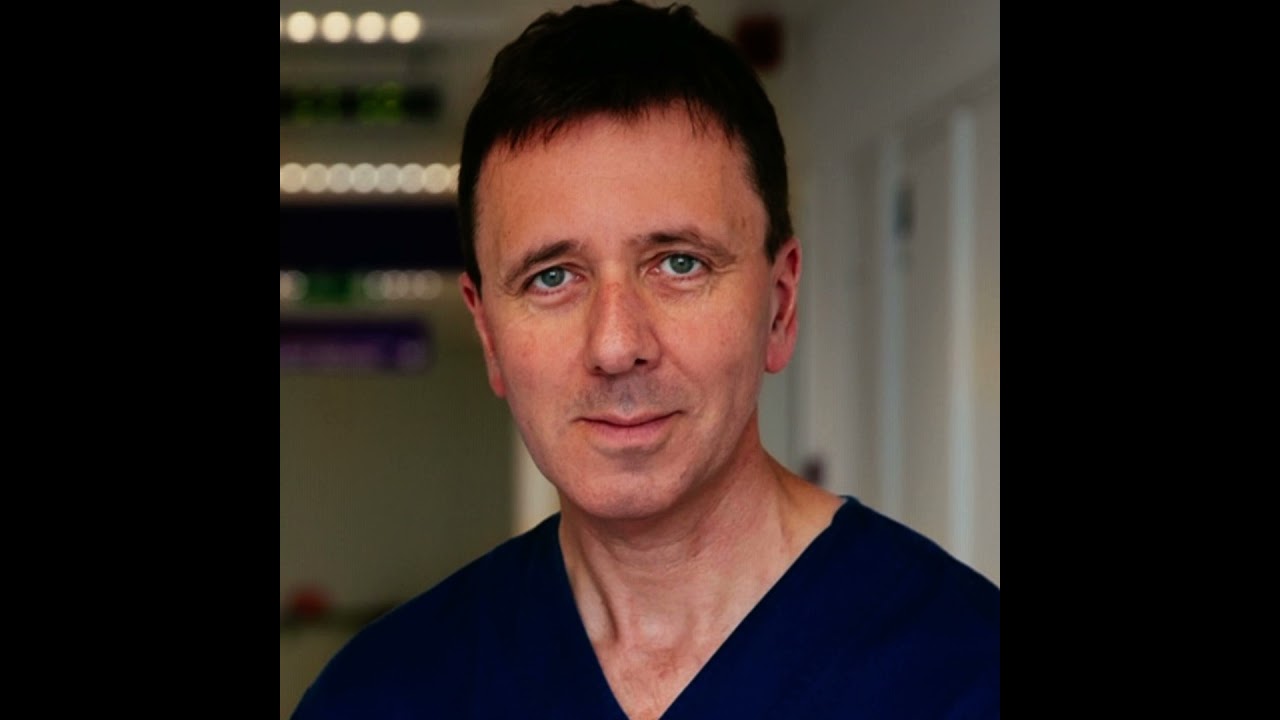
Phase 3 OASIS Study Shows Promise of Oral Olorofim for Invasive Aspergillosis
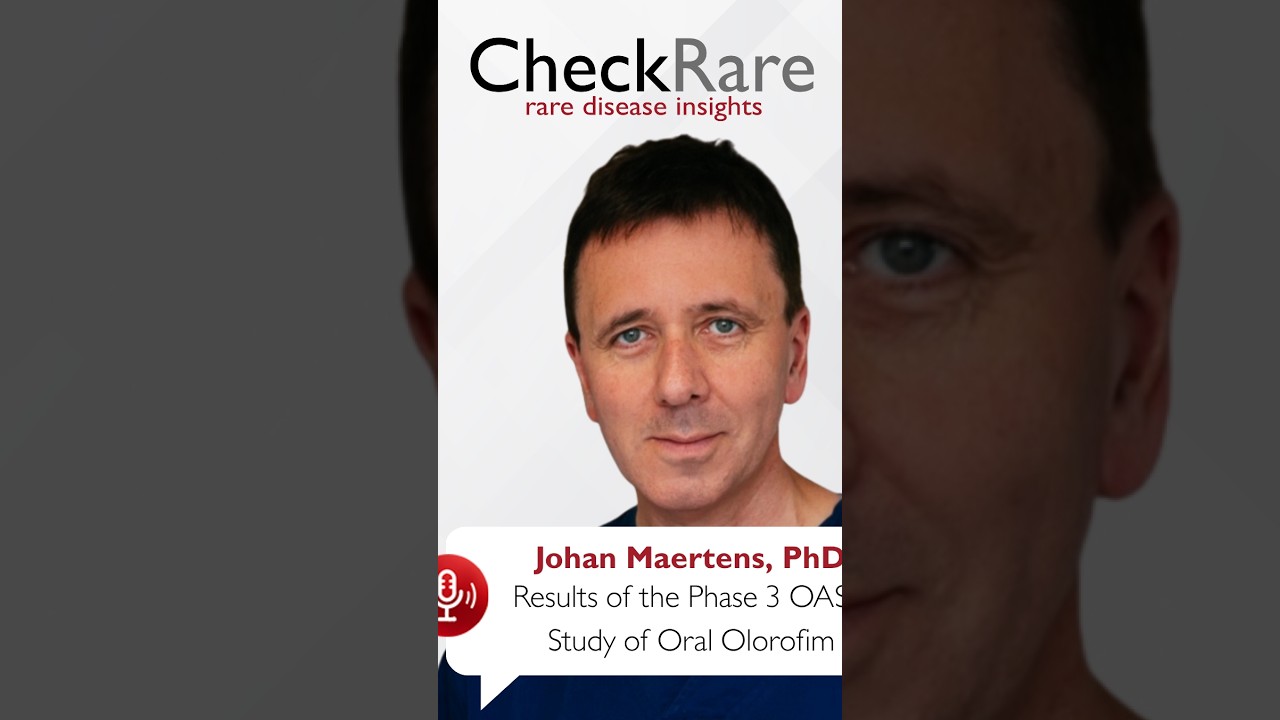
Results of the Phase 3 OASIS Study of Oral Olorofim

Phase 3 OASIS Study Shows Promise of Oral Olorofim for Invasive Aspergillosis

🧬 A new chapter in gene therapy for spinal muscular atrophy (SMA).
How is Itvisma changing the treatment landscape for people living with SMA? In this CheckRare feature, John Day, MD, PhD, of Stanford University, discusses the development of this one-time gene therapy, its targeted Read moredelivery approach, and clinical trial findings on motor function.
Discover what this advancement could mean for the future of SMA treatment.
🔗 Read the full article: https://checkrare.com/itvisma-gene-therapy-for-patients-with-spinal-muscular-atrophy/
#CheckRare #SpinalMuscularAtrophy #SMA #RareDisease #GeneTherapy #MedicalInnovation

Richard Keen, MD, PhD, discusses positive 84-week results from the phase 3 OPTIMA trial extension, evaluating Pasatru (garetosmab) in adults with fibrodysplasia ossificans progressiva.
View the full interview at Read morehttps://checkrare.com/garetosmab-demonstrates-sustained-efficacy-in-adults-with-fibrodysplasia-ossificans-progressiva-fop/

Key Findings from Pasatru Clinical Trial in FOP

Garetosmab Demonstrates Sustained Efficacy in Adults With Fibrodysplasia Ossificans Progressiva

Garetosmab Demonstrates Sustained Efficacy in Adults With Fibrodysplasia Ossificans Progressiva

C3G and the Pediatric VALIANT Study

A Family’s Journey with Prader-Willi Syndrome

🎙️ A new treatment option for adults living with recurrent respiratory papillomatosis.
The FDA has granted accelerated approval to Voceryq to reduce the need for repeated surgeries in patients with RRP.
What does this development mean for the rare disease community?
Read moreWatch this week’s The CheckRare Brief for the latest news https://checkrare.com/3d-printed-treatment-options-the-checkrare-brief/
#RareDiseaseNews #RRP #CheckRare

C3G and the Pediatric VALIANT Study (Full Program)
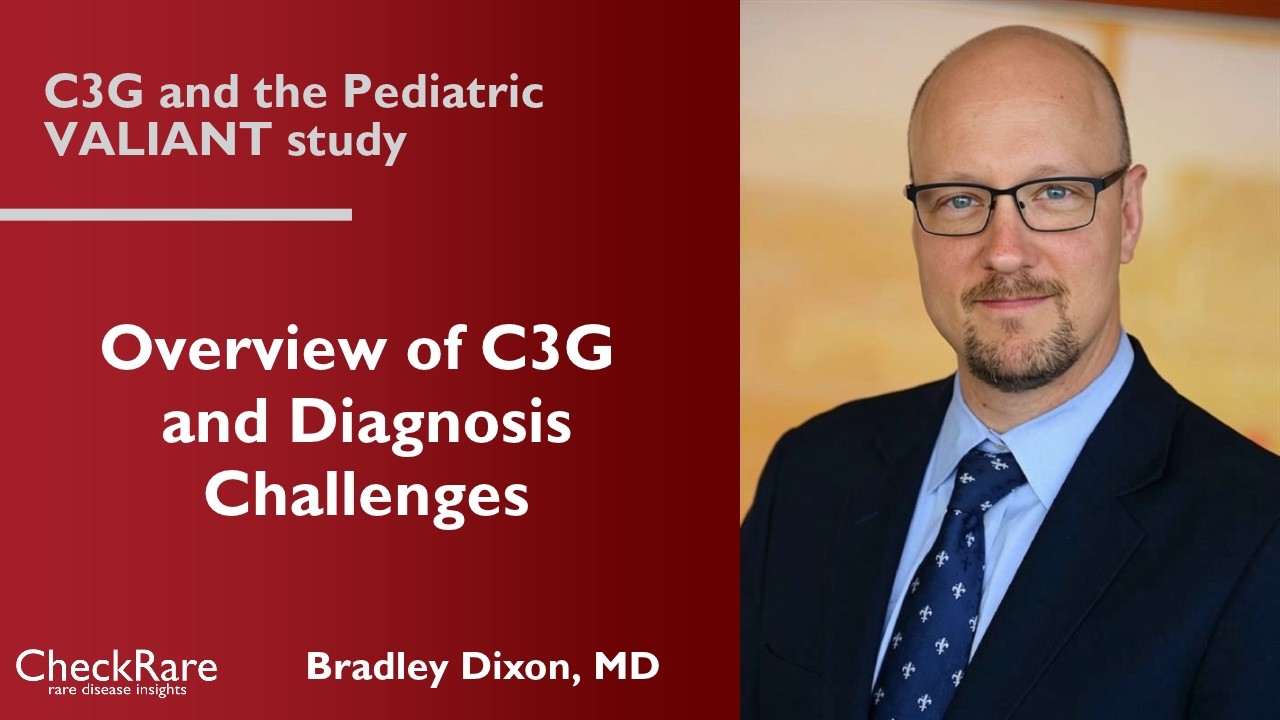
Ch 1: Overview of C3G and Diagnosis Challenges

Ch 2: Empaveli's Impact on Proteinuria and Kidney Function
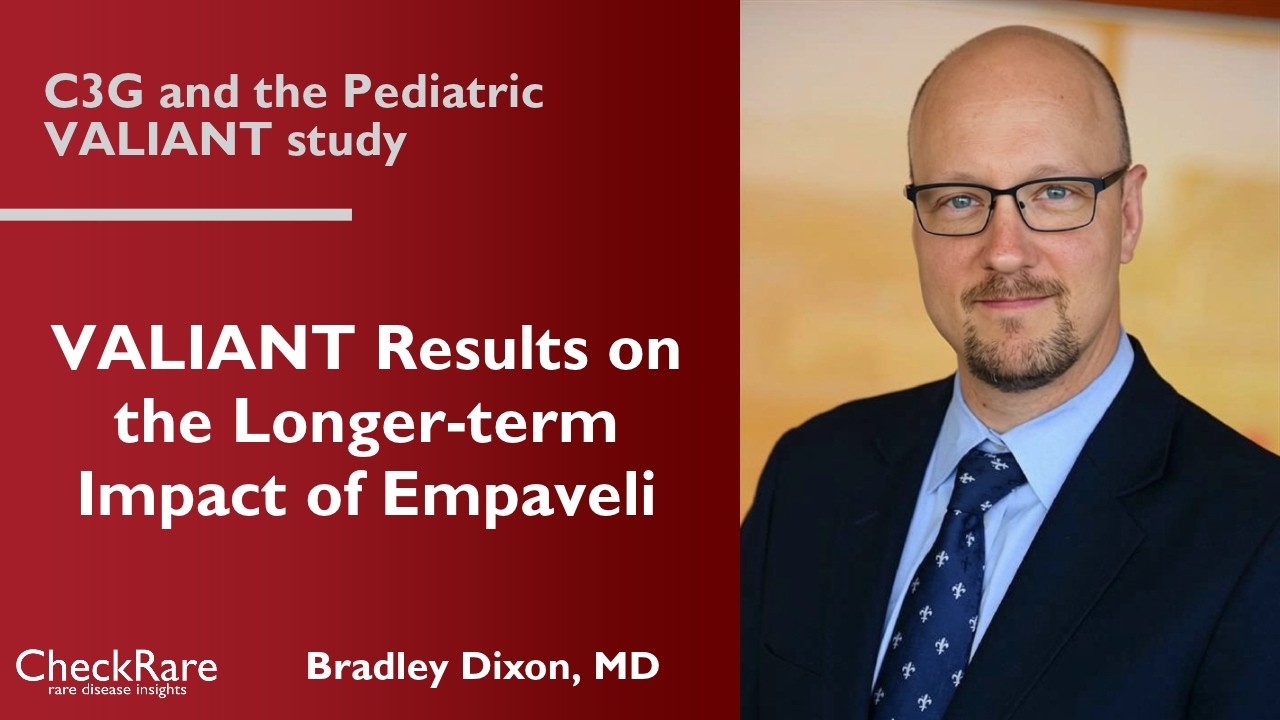
Ch 3: VALIANT Results on the Longer-Term Impact of Empaveli

Ch 4: Treatment Gaps in C3G
Ch 5: Urgency of Diagnosis and Treatment in C3G
Inhaled Treprostinil Reduces Multiple Disease Progression Events in IPF
CheckRare 5 hours ago